
How Regular Checks Stop Small Defects From Becoming Big Safety Risks
Common fire extinguisher issues include low pressure, damaged hoses, blocked nozzles, expired units, and hidden corrosion. These problems often go unnoticed until someone tries to use the extinguisher during an emergency. Regular fire extinguisher inspection helps catch these defects early. A simple monthly check and scheduled professional service can stop failure before it puts lives or property at risk.
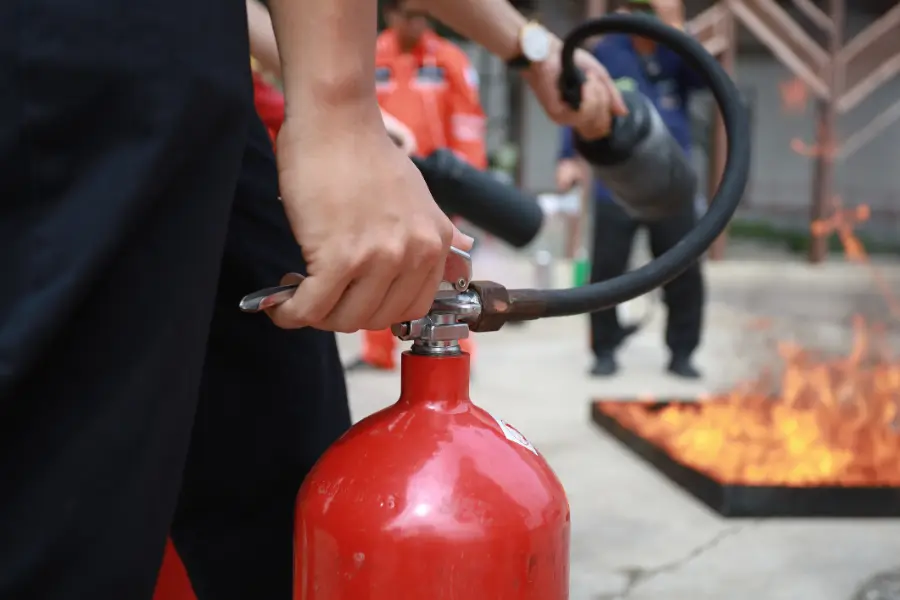
Common Symptoms of a Failing Fire Extinguisher
Most extinguisher problems show warning signs. The issue is that many people do not look closely enough to spot them.
- The pressure gauge needle sits in the red zone.
- The safety pin is missing or loose.
- The tamper seal is broken.
- The handle feels wobbly or cracked.
- The hose nozzle looks blocked or split.
- The label is faded or unreadable.
- Rust appears on the tank surface.
Even small damage can affect how the extinguisher works. If the unit cannot hold pressure, it will not discharge properly. If the nozzle is clogged, the chemical agent may not spray as intended.
Likely Causes Behind These Issues
Fire extinguishers sit in place for years. During that time, they go through temperature shifts, bumps, and normal wear.
Low pressure often happens because of a slow leak around the valve stem. Corrosion can form if the unit is stored in a damp area. Grease, dust, or insects may block the discharge hose in kitchens or garages. Physical damage may occur if the extinguisher falls off its bracket.
Another common issue is expired extinguishers. Many units have a service life of 5 to 15 years. After that point, internal parts may weaken. Without scheduled fire extinguisher inspection, these age-related problems may go unnoticed.
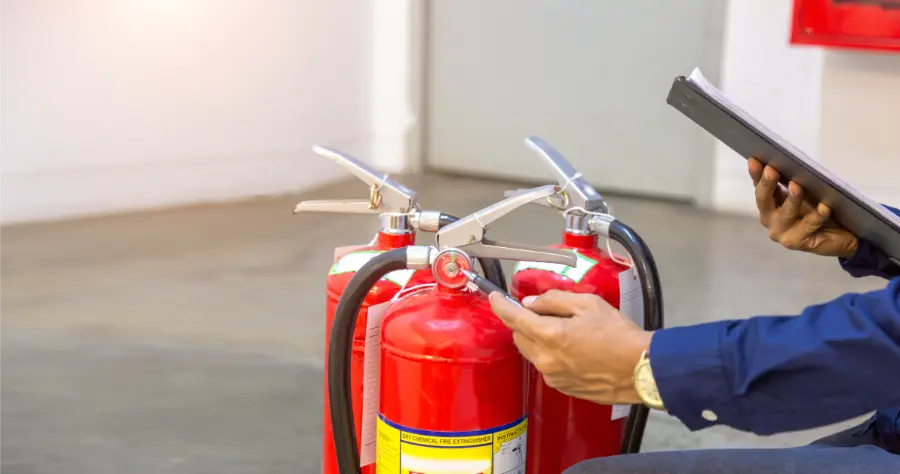
What to Check First During a Basic Visual Inspection
A quick monthly review takes only a few minutes. This simple habit can prevent major failure.
- Check the pressure gauge. The needle should be in the green zone.
- Make sure the safety pin is firmly in place.
- Confirm the tamper seal is intact.
- Inspect the body for dents, rust, or leaks.
- Look inside the nozzle for visible blockage.
- Verify the inspection tag is up to date.
This basic review does not replace a professional fire extinguisher inspection, but it helps spot early red flags.
Safe Fixes Versus Professional-Level Repairs
Some minor issues are easy to correct. For example, wiping away dirt or replacing a missing safety seal can be handled quickly. Mounting brackets can also be tightened if loose.
Other issues require trained service. Low pressure usually means the unit must be recharged. Corrosion or internal damage may require hydrostatic testing. Expired extinguishers often need full replacement. Attempting to open or repair a pressurized cylinder without training can be dangerous.
This is where a licensed fire protection service becomes valuable. Technicians use special tools to test pressure levels, check internal components, and certify that each extinguisher meets current safety codes.
How Inspections Prevent Emergency Failures
Routine fire extinguisher inspection catches small defects before they grow. A slow pressure leak today could mean total discharge failure tomorrow. A cracked hose could split open under pressure. Corrosion could weaken the tank wall.
Professional inspections also confirm compliance with workplace and insurance regulations. In many commercial buildings, documented inspections are required by local and national fire codes. Skipping service may result in fines or liability issues after a fire event.
Most important, inspections protect people. When a fire starts, there is no time to test equipment. The extinguisher must work immediately. Regular maintenance gives peace of mind that the device will perform as designed.
Prevention Tips for Long-Term Reliability
Good storage and routine checks extend the life of your extinguishers.
- Mount units securely on approved brackets.
- Keep them visible and easy to reach.
- Avoid placing them near extreme heat or moisture.
- Train staff or family members how to spot damage.
- Schedule annual professional inspections.
Taking these steps reduces the risk of failure and keeps your property prepared for emergencies.
Schedule Professional Support Before Problems Appear
If you are located in Murrieta, CA, regular service visits help keep your building compliant and ready. At Best Coast Fire Protection, we provide detailed fire extinguisher inspection services along with full fire protection support for commercial and residential properties. We check pressure levels, hardware, tags, and overall condition so problems are corrected early. Call us at (951) 268-5760 to schedule service and keep your extinguishers ready when you need them most.