
How Regular Testing and Checks Keep People and Property Safer
A fire alarm system inspection helps keep a building safe by making sure alarms, sensors, and control panels work the way they should. It finds small problems before they turn into big failures. When a system is tested on a set schedule, people inside the building get early warning in case of fire. That early warning can save lives, reduce damage, and help first responders act faster.
What You Need Before Starting an Inspection
Before a fire alarm system inspection begins, a few basic things should be in place. The building owner or manager should have access to past inspection reports. These show what was fixed before and what needs close attention now.
You also need:
- Access to the fire alarm control panel
- Keys for locked pull stations or panels
- A list of all devices in the building
- Contact info for the monitoring company
Most commercial buildings also fall under local fire codes. These rules explain how often testing must happen. This is part of professional fire protection services and helps buildings stay compliant.
Step-by-Step Process of a Fire Alarm System Inspection
During a fire alarm system inspection, each part of the system is tested in a clear order. This keeps the process organized and reduces the chance of missing something.
- Notify the monitoring company and building occupants. This prevents false emergency calls.
- Check the control panel for trouble signals or warning lights.
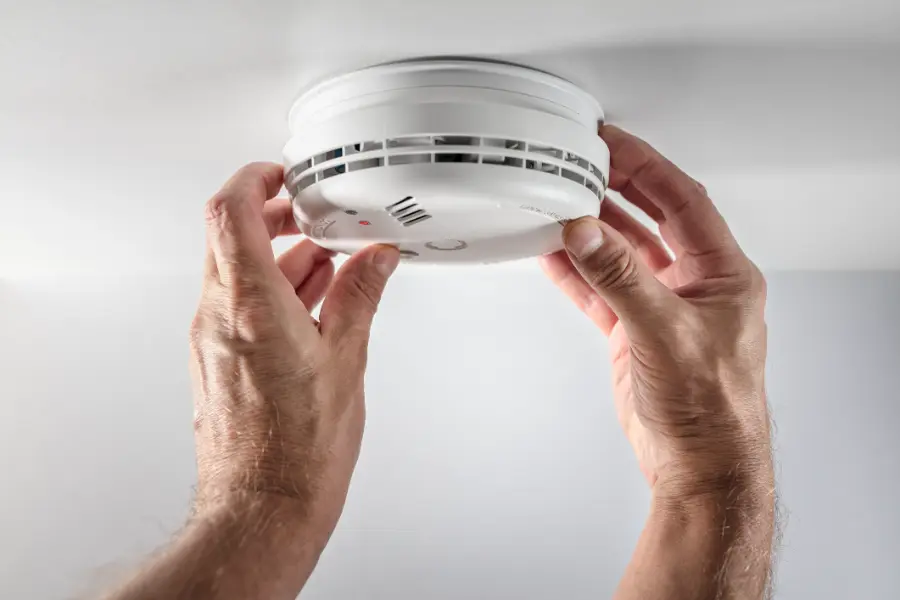
- Test smoke detectors and heat detectors using approved test tools.
- Activate manual pull stations to confirm they send signals properly.
- Inspect horns, strobes, and speakers to confirm they sound and flash.
- Check backup batteries for wear, age, or low power.
- Review wiring and connections for damage or loose parts.
- Document all findings in a written report.
Each step confirms that the alarm can detect smoke or heat and alert people right away.
Common Mistakes to Avoid
Some building owners make the mistake of skipping regular inspections. Others only test part of the system. Both choices can lead to hidden risks.
Here are common problems:
- Ignoring beeping sounds from the control panel
- Forgetting to replace backup batteries
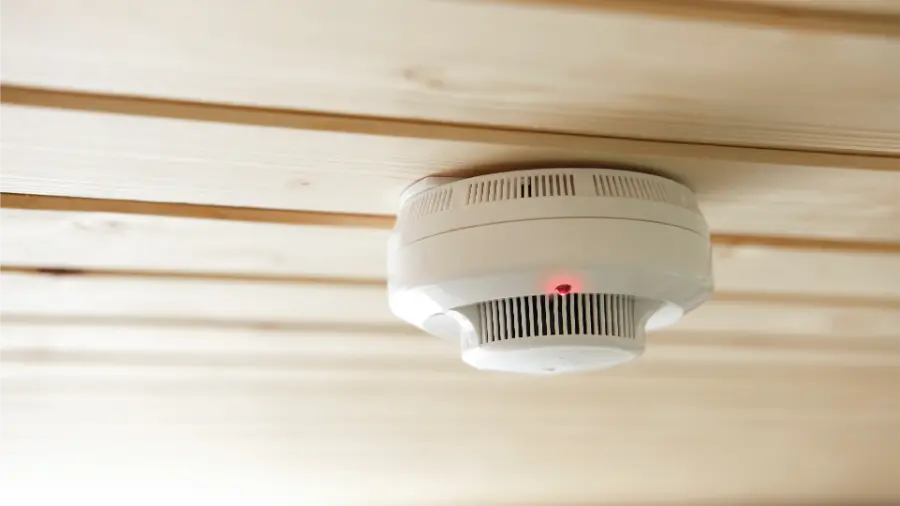
- Blocking smoke detectors with storage boxes
- Not updating the system after renovations
Even small changes, like adding walls or moving equipment, can affect how smoke travels. If detectors are not adjusted, they may not respond as expected.
When to Call a Professional
Some basic visual checks can be done by building staff. For example, you can look for physical damage or listen for warning beeps. However, full testing should be handled by trained technicians.
You should call a licensed team when:
- The panel shows a trouble or fault message
- Devices fail during a routine test
- The building has new construction or remodeling
- Local code requires documented annual testing
Professionals use special tools to test sensitivity levels in smoke detectors. They also confirm that signals reach the monitoring center. Without this equipment, it is hard to know if the system will work during a real emergency.
Final Recommendation for Building Owners
Regular fire alarm system inspection plays a major role in building safety. It protects people, property, and business operations. A working alarm system gives early warning, which reduces panic and confusion. It also helps lower liability risks for owners and managers. If your property is in Murrieta, CA, staying on schedule with inspections supports both safety and code compliance. At Best Coast Fire Protection, we handle detailed testing, clear reporting, and dependable service for commercial buildings. Call us at (951) 268-5760 to schedule your next inspection or to ask questions about your current system. We are ready to help you keep your building safe and prepared.