
A Simple Walkthrough of the Inspection Process
A fire sprinkler inspection checks that your system works the way it should in an emergency. During the visit, a licensed technician looks over control valves, sprinkler heads, pipes, alarms, and water flow. They test key parts, look for damage or leaks, and confirm the system meets code. Most inspections follow a clear checklist and take one to a few hours, depending on the size of the building.
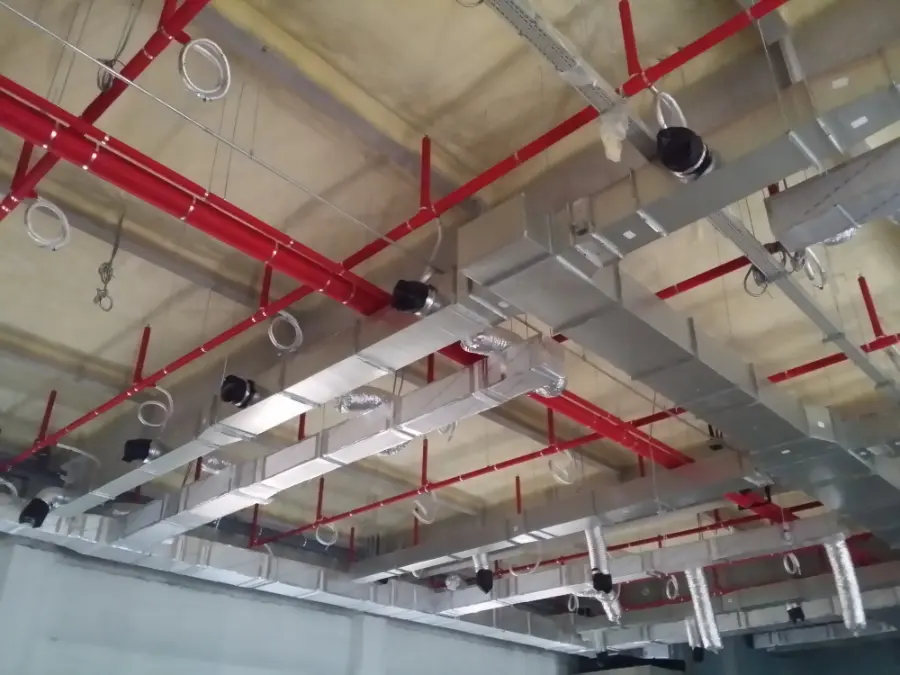
What You Need Before the Appointment
Before your scheduled fire sprinkler inspection, a little prep can save time. Make sure the inspector has access to all sprinklered areas. This includes storage rooms, electrical rooms, and ceilings if needed. If you manage a commercial building, let tenants know testing may involve brief alarm sounds or water flow tests.
It also helps to have:
- Past inspection reports
- Records of repairs or upgrades
- Access to riser rooms and alarm panels
- A staff member available for questions
Clear space around control valves and sprinkler heads. If boxes or furniture block them, the inspection may take longer.
Step-by-Step: What Happens During the Inspection
Most fire sprinkler inspection visits follow a set order. While details may vary by building type, the process usually looks like this:
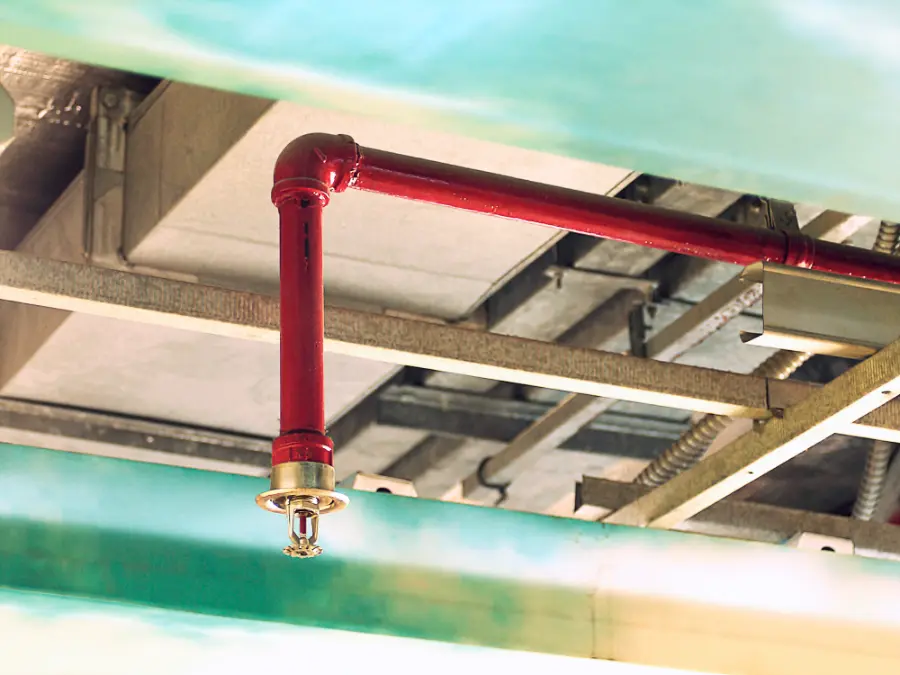
- Visual check of sprinkler heads – The inspector looks for dust buildup, paint, rust, or damage. Heads must stay clean and unobstructed.
- Valve inspection – Main control valves are checked to confirm they are open, sealed, and in good condition.
- Pipe evaluation – Exposed piping is examined for leaks, corrosion, or loose fittings.
- Alarm testing – Water flow devices and tamper switches are tested to make sure alarms activate properly.
- Pressure checks – Gauges are read to confirm water pressure levels fall within the required range.
- Documentation – The inspector records findings and notes any repairs needed.
In some cases, inspectors may perform a main drain test or partial flow test. This confirms that water can move through the system at the right pressure. If your building has a fire pump, that may be tested as well.
Common Mistakes Building Owners Make
Many property owners assume their system is fine because it looks clean. But hidden issues can still exist. Here are common problems inspectors find:
- Painted sprinkler heads
- Items stored too close to heads
- Closed or partially closed valves
- Outdated inspection tags
- Low water pressure readings
Even small changes in a storage layout can block water spray. A stacked box placed just inches too high can stop water from spreading the right way.
Skipping required inspection periods is another mistake. Depending on your system, some parts need monthly, quarterly, or annual checks. Staying on schedule helps avoid code violations and fines.
When to Call a Professional Right Away
Some issues should not wait for the next scheduled fire sprinkler inspection. Call a licensed professional if you notice:
- Active leaks from sprinkler heads or piping
- Frozen or burst pipes
- Alarm panel trouble signals
- Sudden drops in water pressure
- Visible corrosion flaking off pipes
These problems can affect how the system performs in a real fire. A sprinkler system is part of your building’s overall fire protection plan. If one piece fails, the entire system may not respond as expected.
Routine inspections are about more than paperwork. They help confirm the property is safer for staff, customers, tenants, and visitors.
What Happens After the Inspection
After the fire sprinkler inspection is complete, you will receive a detailed report. This outlines what passed, what failed, and what needs repair. Some issues may require quick fixes, such as replacing a damaged head. Others may involve larger repairs like pipe replacement.
Keep this report on file. Many local fire departments and insurance companies require proof of regular testing. If corrections are needed, schedule them quickly to keep the system compliant.
Schedule Your Inspection With a Qualified Team
If you need a fire sprinkler inspection in Murrieta, CA, we are ready to help. At Best Coast Fire Protection, our trained technicians handle testing, repairs, and ongoing service for commercial properties of all sizes. Call us at (951) 268-5760 to book your next inspection or to talk about any concerns with your sprinkler system. We are here to keep your building protected and up to code.